
Rapid Prototyping
Rapid prototyping in the tool room is a crucial process that enables manufacturers to quickly develop, test, and refine tools, jigs, and fixtures used in production. This approach significantly accelerates the tooling development cycle, allowing for faster iterations and more efficient production processes.
The Importance of Rapid Prototyping in Tool Rooms
- Speed to Market: Rapid prototyping allows for the quick creation of tooling prototypes, reducing the time required to bring a product to market.
- Cost Reduction: By identifying design flaws early, rapid prototyping minimizes the risk of costly rework and material waste.
- Improved Design Accuracy: Prototypes enable real-world testing of tool designs, ensuring they meet the required specifications before full-scale production begins.
- Enhanced Flexibility: The ability to quickly iterate on designs allows for greater flexibility in responding to changes in production requirements or design specifications.
Processes and Techniques
- 3D Printing: Additive manufacturing, commonly known as 3D printing, is widely used in tool rooms for rapid prototyping. It allows for the creation of complex geometries and intricate designs that are difficult to achieve with traditional manufacturing methods.
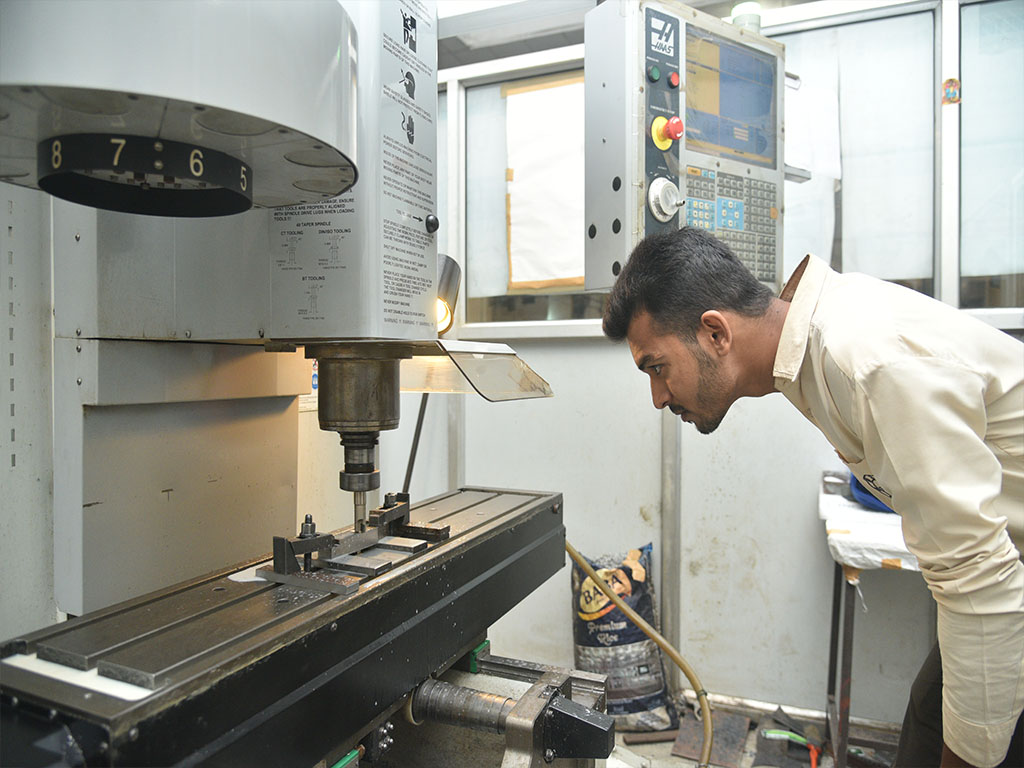
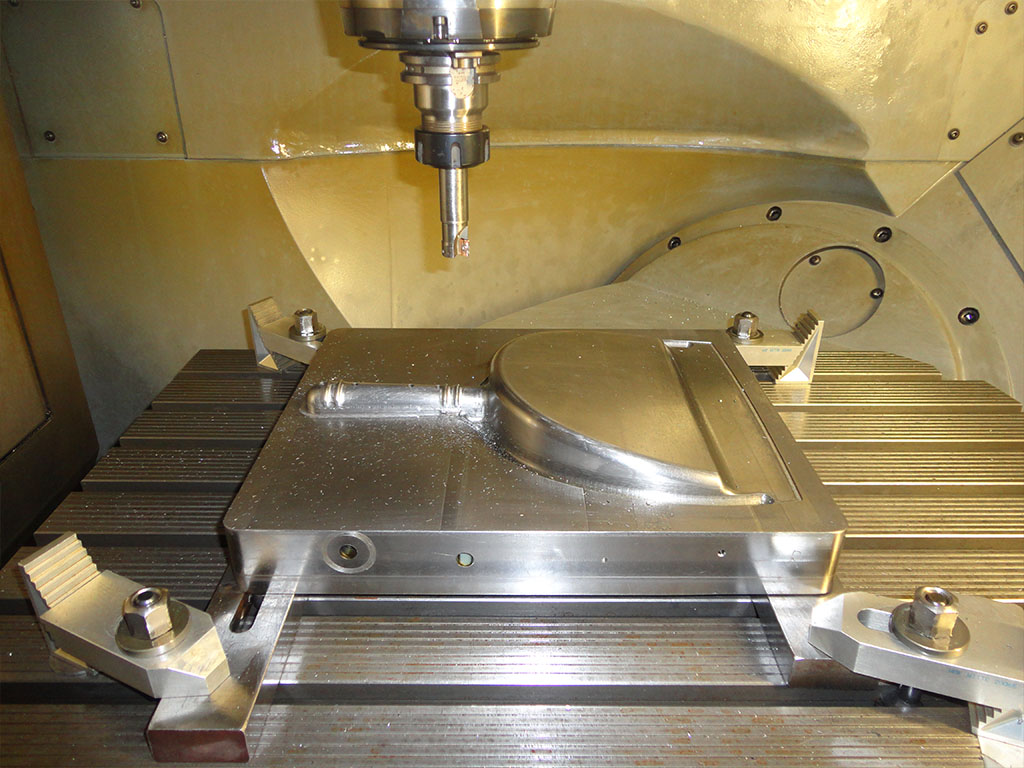
- CNC Machining: Computer Numerical Control (CNC) machining is used for creating prototypes from solid materials. This process is ideal for testing the durability and precision of a tool design.
- Laser Cutting and Engraving: These techniques are used to produce prototypes that require high levels of detail and precision. They are particularly useful for creating components with complex patterns or delicate features.
- Injection Molding Simulation: In cases where the tool is used for injection molding, rapid prototyping can include the use of simulation software to test how the mold will perform under different conditions. This helps in refining the tool design to ensure optimal performance in production.
Steps in Rapid Tooling Prototyping
- Design and CAD Modeling: Start with a detailed CAD model of the tool, which serves as the blueprint for the prototype.
- Prototype Fabrication: Use 3D printing, CNC machining, or other rapid prototyping techniques to create a physical prototype of the tool.
- Testing and Validation: Test the prototype in real-world conditions to evaluate its performance, durability, and functionality.
- Feedback and Iteration: Gather feedback from toolmakers and operators, then refine the design based on their insights.
- Final Tool Production: Once the prototype meets all requirements, proceed with the production of the final tool using the chosen manufacturing process.
Applications of Rapid Prototyping in Tool Rooms
- Custom Tooling: Rapid prototyping is ideal for developing custom tools tailored to specific production needs, allowing manufacturers to quickly respond to unique requirements.
- Fixture Development: Prototypes of fixtures can be tested and adjusted to ensure they securely hold work pieces in place during production, improving overall accuracy and efficiency.
- Jig Prototyping: Creating and testing jigs using rapid prototyping ensures that they will fit and function properly in the production line, reducing setup time and errors.
Conclusion
Rapid prototyping in the tool room is a game-changer for manufacturers, providing a fast, cost-effective way to develop and refine tools, jigs, and fixtures. By leveraging advanced prototyping techniques, companies can enhance their production processes, reduce lead times, and ensure the highest quality in their tooling solutions.